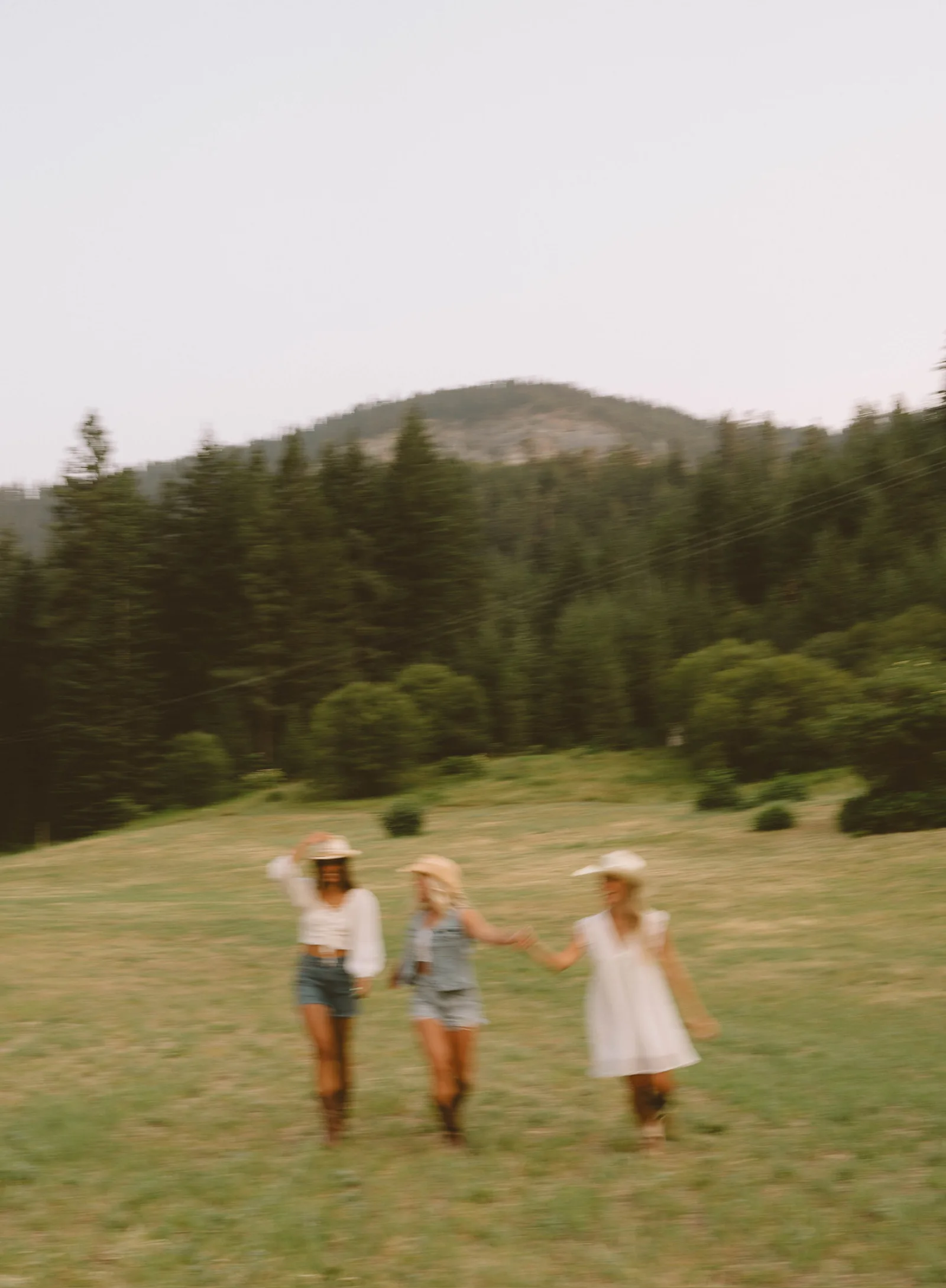
Maybe February changed everything. Maybe summer was the whole show. Maybe one apartment, one person, or one recurring train quietly held the year together.
Find the year inside the year
“My 2026” is a date range. “The year everybody moved closer” is a point of view. Find the sentence that explains why these months belong in the same story.
If the sentence does not exist, make the summer, semester, or six-month era instead. Completeness is overrated. Recognition is not.
Uneven is honest
You do not owe March equal representation. Keep the months where the story happened and the quieter frames that show time passing around it.
A year recap is not a school project graded on coverage. It is an edit. Let one weekend take two cards if it earned them.
- The people who became recurring characters.
- The place that turned into home base.
- The object, route, meal, or ritual that kept returning.
- The late image that changes how the first one feels.
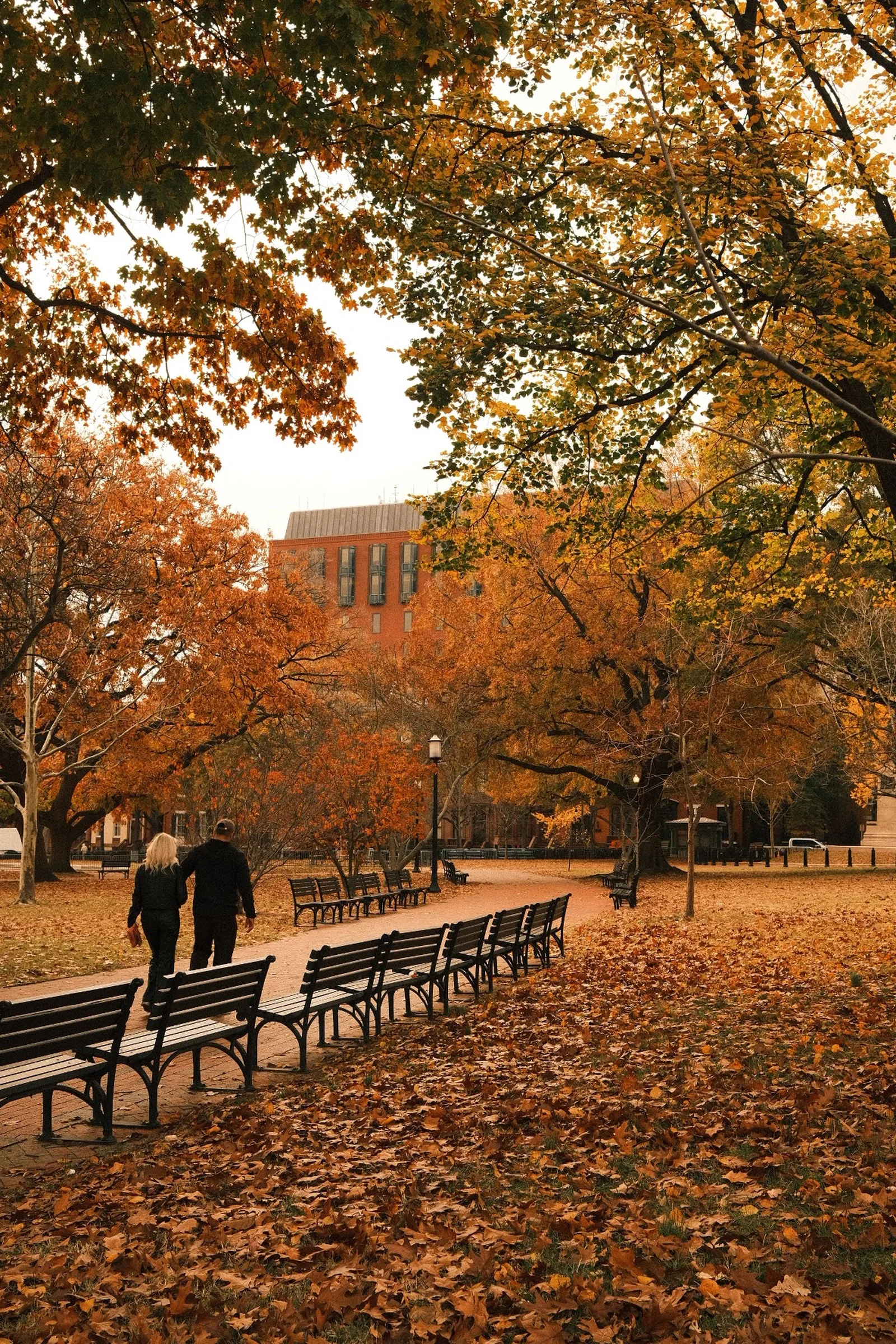
The repeated things are the plot
The same doorway in three seasons. A table slowly filling with new objects. The group photographed in different cities. One coat disappearing when the weather changes.
Transformation does not need a cinematic speech. Sometimes the proof is simply that the background changed while everybody kept showing up.
A recap is not an annual report
Counts can be fun. A year made only of totals becomes a dashboard with feelings. Use the numbers that are real and interesting, then let photographs do the rest.
Memento does not guess relationships, diagnose personalities, or invent life lessons. It uses what the selected photos can support. Taste requires restraint.
End where it hurts a little
The last photo from December is not automatically the closer. Find the late image that returns to the beginning, shows a place differently, or makes you realize somebody had been there all year.
A good ending makes card one feel newly loaded. That is when a recap becomes something you immediately watch again.