
The trip was the first blurry taxi photo, the table you kept returning to, the jacket in every climate, the missed turn, and the ride home when nobody had anything left to say.
Arrival is a feeling
The most beautiful view can wait. Start with the moment the normal world ended: bags on unfamiliar tile, a station platform, the rental-car window, a first meal eaten at the wrong hour.
An arrival photo does not need to be impressive. It needs to open the door.
Postcard photos establish jurisdiction
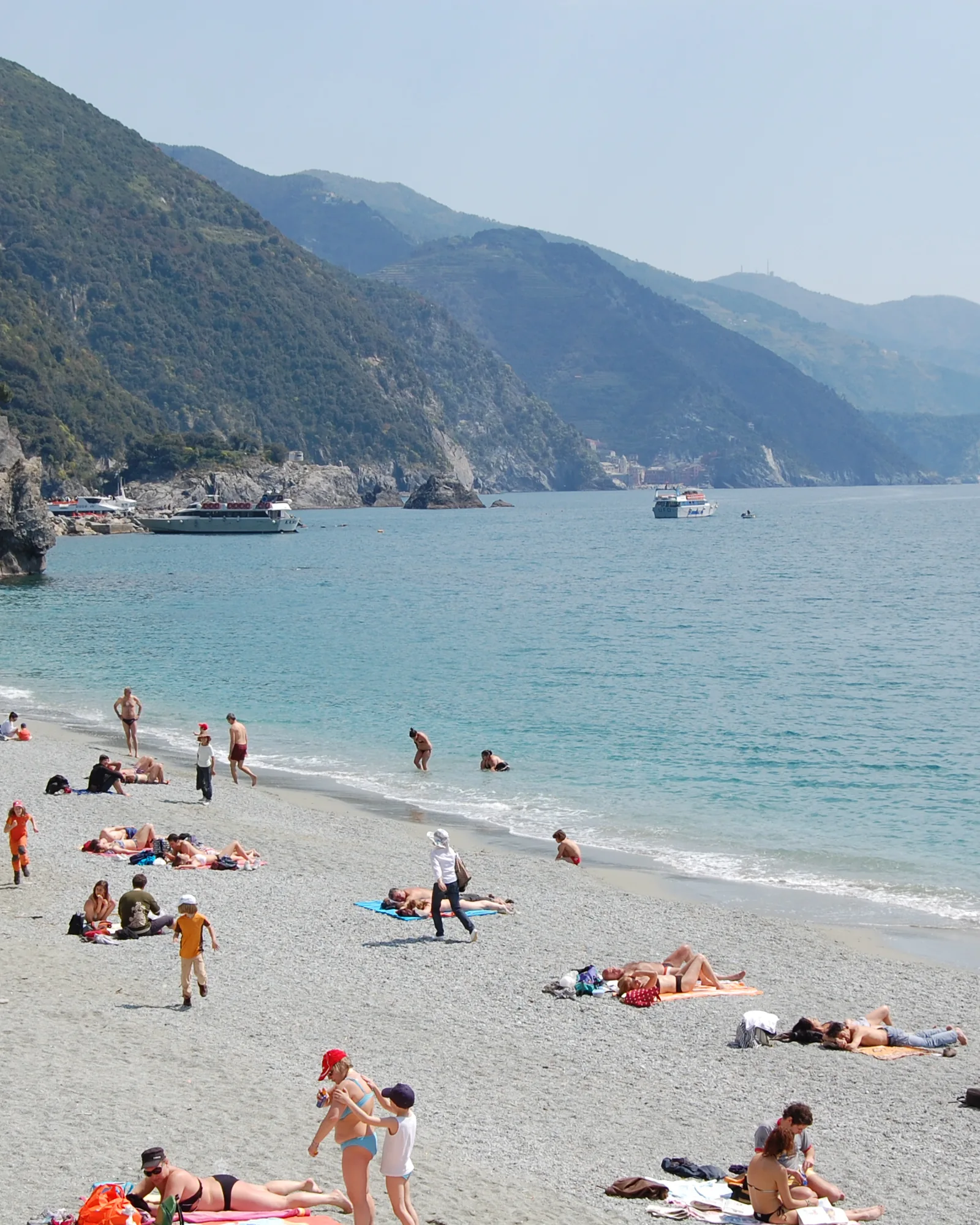
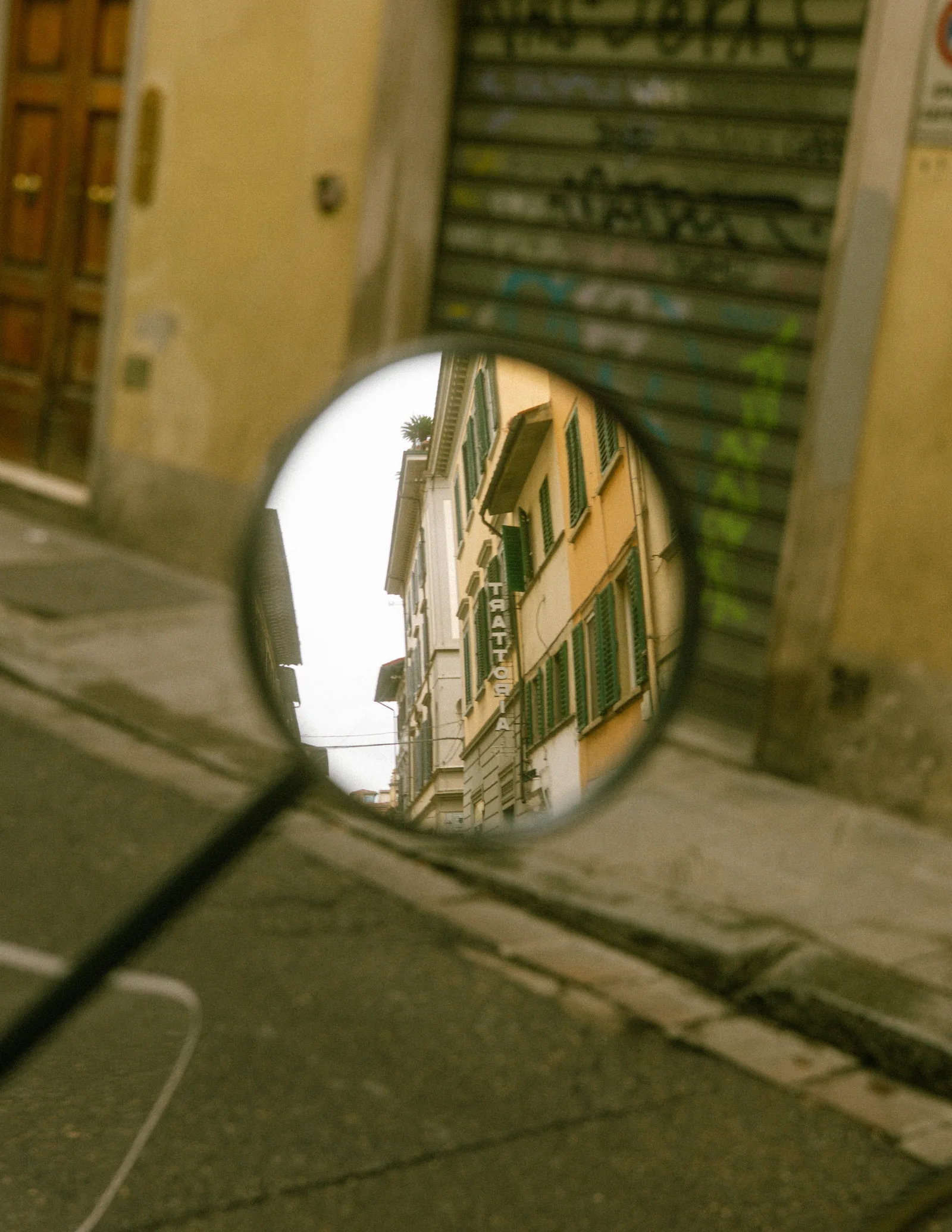
Keep the coastline, skyline, monument, and impossible hotel view. Then add the corner store, hallway, transit, wet shoes, crowded table, and the room slowly being destroyed by open suitcases.
If every image could sell the destination, the recap has no witnesses. If every image is a close candid, it has no world. Give it both.
The recurring bit deserves a callback
The same breakfast. The daily walk. The person photographed from exactly twenty feet behind. The phrase that somehow became an itinerary. Trips manufacture motifs for free.
Keep enough evidence for the pattern to become visible. Memento can bring it back later, which is much more satisfying than ranking the top five moments like a travel blog.
The boarding pass has done enough
Passports, confirmations, addresses, room numbers, booking codes, and private messages do not need a cameo. They contain more information than the story needs and less personality than a suitcase by the door.
Use the transition, not the document: a platform, luggage, a window, the first photograph after arrival.
The way home is part of it
Do not confuse the emotional peak with the ending. End on the comedown: last dinner, packed room, airport sunrise, blurry highway, front door.
That final frame is where a vacation becomes a memory. Let it.